
Over recent weeks, I’ve been speaking with business owners across professional services, health and wellbeing, and technology.
Despite very different sectors, a consistent theme is emerging:
Business feels harder than it used to.
This isn’t perception. It reflects a real shift in the competitive business environment.
Why Business Growth Feels More Difficult Today
Several structural changes are shaping today’s market:
- Increased competition across most sectors
- Lower barriers to entry
- Rapid launch of new businesses with strong branding and marketing
For established businesses, this creates pressure on visibility, differentiation, and performance.
Why “More Marketing” Often Doesn’t Work
When growth slows, many business owners respond by increasing marketing activity:
- More social media
- More advertising
- More content
But this often leads to frustration.
Because the issue is not always marketing volume.
It is a lack of commercial clarity.
Without clarity, even well-executed marketing can fail to deliver results.
What Drives Business Growth Instead
Businesses that continue to grow are not simply doing more.
They are making better strategic decisions.
These decisions are grounded in:
- Research and insight
- Evidence-based thinking
- Clear understanding of their market position
This is where business growth strategy becomes critical.
The Strategic Questions That Improve Business Performance
To improve performance, business owners need to move beyond activity and focus on analysis.
Key questions include:
- What is influencing how customers choose between providers?
- Where are leads or opportunities being lost?
- Which competitors are gaining traction—and why?
- Where is the business vulnerable (pricing, positioning, credibility)?
- What are the business’s strongest advantages?
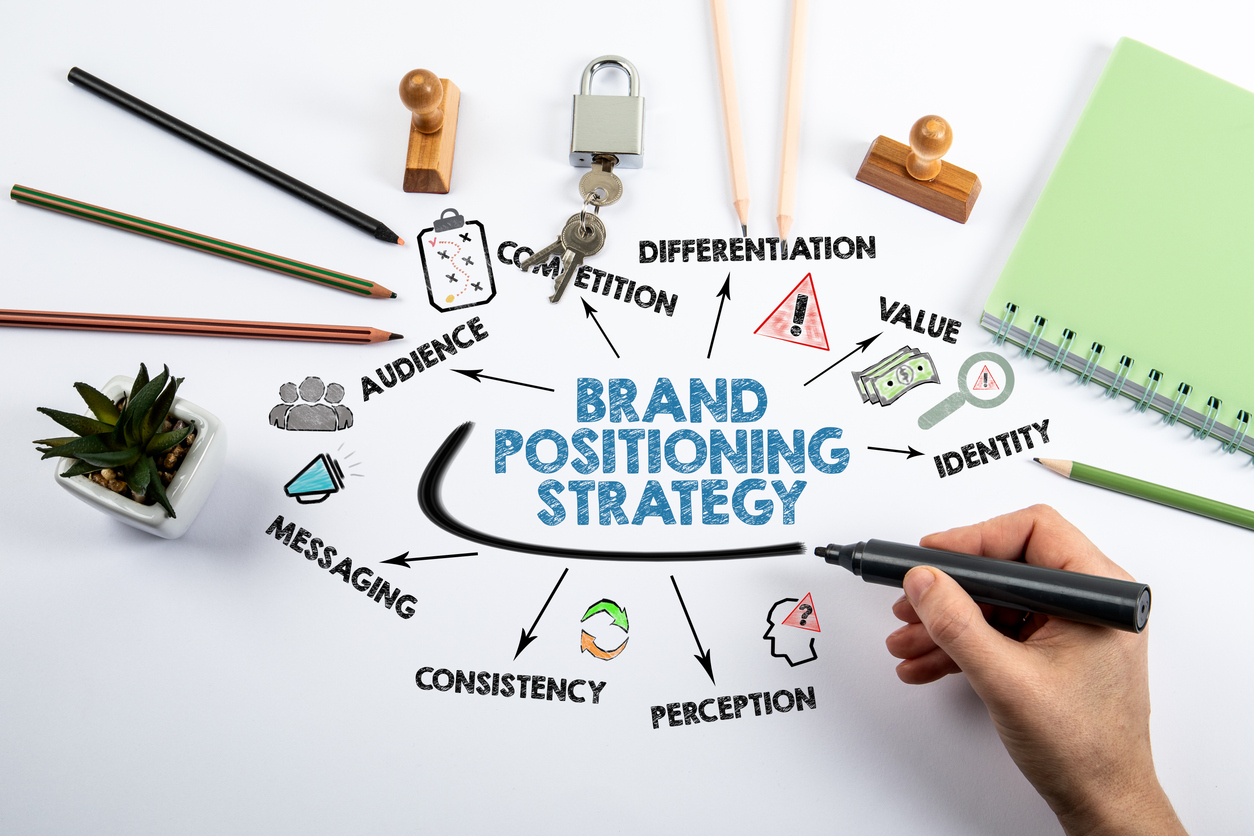
These are fundamental to improving business performance and strengthening business positioning.
From Activity to Strategy: A Smarter Approach to Marketing
When these questions are explored properly, marketing becomes more effective.
This leads to:
- Clearer value propositions
- Stronger market positioning
- More effective messaging
- Better-performing marketing channels
- Improved lead generation
Instead of guessing, decisions become targeted and commercially sound.
Commercial Clarity as a Competitive Advantage
In today’s environment, commercial clarity is not optional.
It is a competitive advantage.
It allows business owners to:
- Focus effort where it delivers results
- Avoid wasted marketing spend
- Make confident, informed decisions
- Build sustainable, long-term growth
Conclusion: Clarity Before Activity
If your business growth has slowed, the answer is not always to do more.
It is to understand more.
Because the businesses that succeed today are not the busiest.
They are the clearest.
If you are reviewing your marketing strategy or looking to strengthen your business positioning, stepping back to gain clarity is often the most valuable first step.